

In a country where same-sex marriage is still not accepted, trans rights seem to be jumping the queue in the line of human rights. Speaking with Lucy, a nonbinary student from Romania, about LGBTQ+ rights, she says that in many parts of the country, they are still fighting for women’s rights. In the more progressive city, Bucharest, the debate is still focused on achieving marriage equality.
“To even speak of ‘what is trans rights in Romania’ – it doesn’t completely see the picture… It’s not even a thing to be considered.”
However, recent rulings from the European Union Court of Justice have made it a thing to be considered. In October 2024, following a refusal from the Romanian government to honor gender and name markers issued in the UK, it was ruled that EU members must recognize the gender and name recognition granted in other member states.
The full impact of this ruling remains to be seen, but this case has set a precedent in favor of trans rights across the EU. With many countries in Eastern Europe moving to ban LGBTQ+ education in schools, this is a huge win for the LGBTQ+ community.
Sorsha
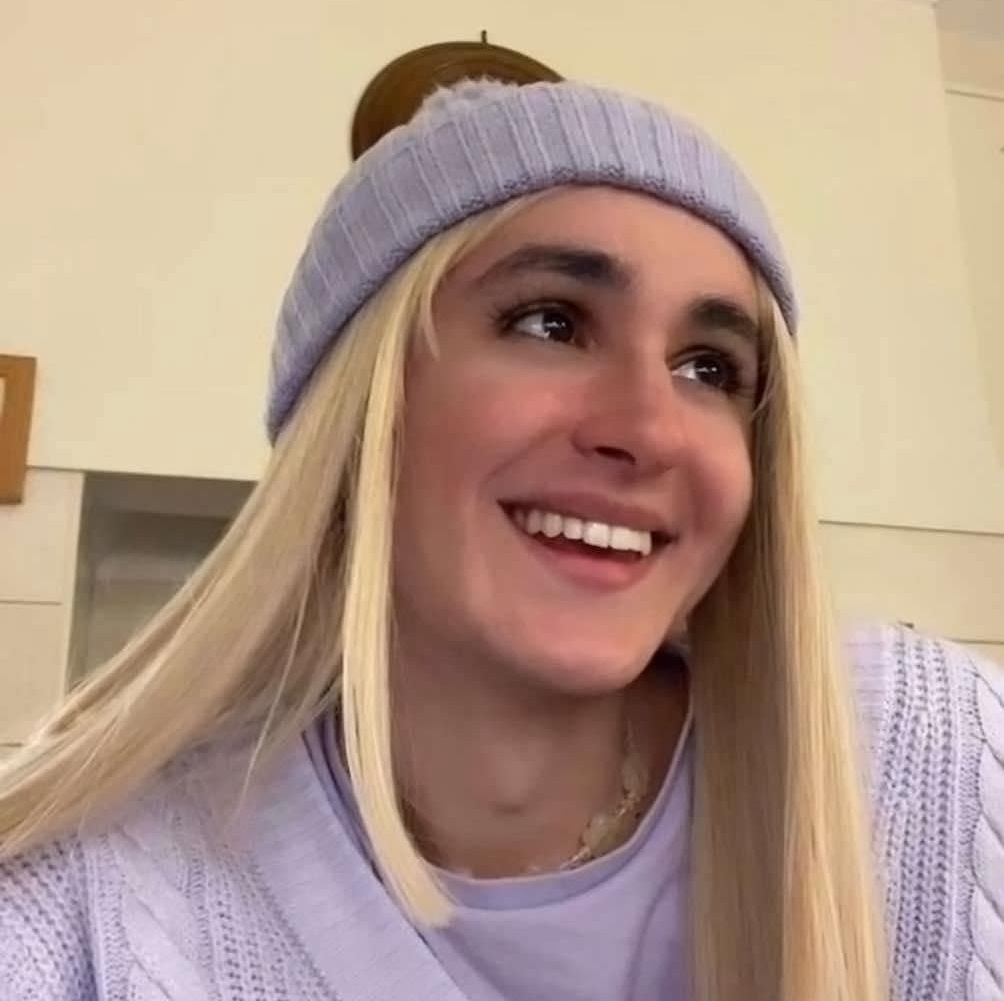
But there is a lot that needs to change in Romania. I interviewed a young woman from Romania named Sorsha, who has been forced into housing instability in her efforts to escape the oppressive country.
Tell me about your experience growing up in Romania and coming into your queerness.
Growing up, I remember always wanting to wear dresses and skirts and only play with dolls. My mom would let me because my kindergarten teacher told her it’s just a phase. But I always knew I had to keep it a secret, and play with my dolls in hiding from the other kids.
Once they found out that I was playing with dolls, I started getting bullied very badly. I was in 2-3rd grade, and even kids from 8th grade would come in our classroom to ask if I was a girl, even record me with their cheap Nokia phones.
Gender got introduce to me when I started going to school, so I began to mostly conceal myself. Then when I was around 16-17, I got really into YouTube creators, especially beauty influencers, since they were the “queerest” mainstream thing. I discovered trans creators and got to educate myself because of them and their content.
I realized that’s how I was feeling myself but, just like when I was younger, I knew I couldn’t speak of it or show it here. I remember my mom growing up just frowning when gay people were mentioned on the news. She’d almost talk about them as perverted beings, cultists.
What would have to change in Romania for you to be able to thrive there?
The mentality of the people is very broken, even if all of a sudden we get trans rights there, the social views will continue for decades.
I think people in general should be more willing to get educated on other people’s differences. A lot of people there like to mock and ridicule things that are unheard of. Religion and traditionalism is also extremely embedded in people’s minds.
Could you share a bit about the steps you took towards a life where you could truly be yourself?
During the pandemic, I found myself being extremely unhappy with my family. I remember yelling at my mom about how much I hate her, I knew I needed to get out.
I previously went on a solo trip to Italy a year or so before this. I was in a very dark place and that trip was very much like a “final wish” type of thing. But once I was there, I realized just how true the quote “when you live in a burning house you feel like the whole world is burning” is.
The world wasn’t burning once I was there. I found myself trying girly clothes and being so happy alone. That trip really set me off to leave.
How has this experience changed you? What have you learned or developed within yourself?
Moving to London and away from the toxic mentality around me changed everything. I wasn’t getting angry anymore, I didn’t argue with anyone at all. I was more at peace than I’ve ever been. I had so many moments when I cried because I was so happy.
My self-worth improved significantly now. I was never wearing the outfits I wanted back home, I’d even be self-conscious to try them at stores, I wasn’t even growing my hair when I was back home. Now I try makeup, I try lingerie sometimes, I wear dresses and I’m not feeling bad about growing my hair long.
It is true that in a bigger city everyone is so different therefore everyone can be themselves
What advice would you give to other trans people who feel stuck and isolated in Romania?
As I mentioned earlier, just because you’re in a burning house, it doesn’t mean the entire world is burning. If you can’t get out now, try to find community, either in person or online. Find people you can laugh with and who will listen.
At the same time, things aren’t changing for us there. It is very unrealistic to try and stick around to make a change. Romania is a dead land, it’s hopeless.
What is something that would make your life easier and more enjoyable?
Right now, it’s very hard to see that I don’t have a place of my own nor a family. Just now around Christmas, I heard so many of my friends going back home to be with their families. I also hear people say they go back home to live with their parents for a period of time to save money. And that is such a luxury in the queer community. I’d love to have a place where I can rest and feel at home.
What do you wish people outside of Romania knew about being queer there?
I come from a small village in Romania, so I’d say my experience is even more isolating then the usual. The truth is living there as a trans person made me feel in a way like I was bled out until I had nothing else to fight for. It felt like a place where the only safe space would be your room at 3 am when you knew everyone was asleep.
What do you wish other Romanians knew about queerness?
To some extent, I wish they knew the isolation that comes with it. How it’s not a choice and how self-conscious you feel even when you apply for a job or go try on clothes that are “the opposite gender”. How big of a punch it is to hear a slur as you walk down the street quietly. While I don’t wish these things on anyone there, sometimes you need to feel the harsher things to fully empathize and understand one’s struggles.
Sorsha has been left with few options. Without a specific and imminent threat to her life, she isn’t able to claim legal refugee status and the costs of immigrating to another country are considerable. This means that she can’t legally work or rent her own place. This has forced her to bounce from one housesit to another, periodically having to leave the country for a while, just to survive.
If you wish to help & support Sorsha here’s her Paypal link!
Lucy
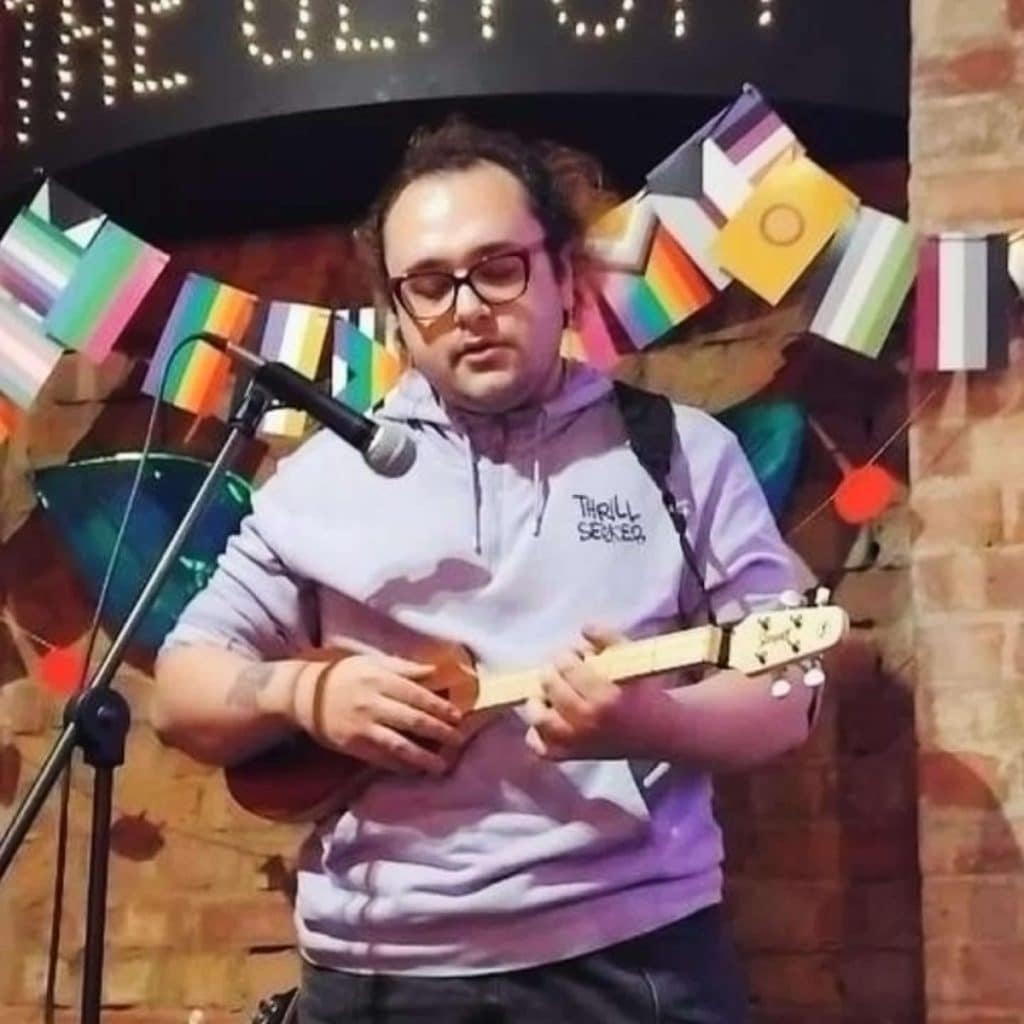
Lucy on the other hand has been able to leave Romania as a student. Like Sorsha, she reported having experienced much more street harassment in Romania. In a single month of living in Romania, she experienced five incidents of street harassment compared to two incidents across the whole year of living in Scotland.
Tell me about being queer in Romania.
It’s such a toxic environment, such a harmful environment to the people, to queer people, to any person that deviates slightly from the norm of what is called acceptable that all the people who are out in the world and socially, are extremely brave to do that.
But they’re also extremely hurt and extremely well-defended against new experiences and new people because that’s kind of what they have to do to cope with the environment.
Realistically, getting out of the country is the best solution. But who has all of the money to do that? Who has the privilege to get out of the country? I’m in the privileged position where I could get out of the country…I still sometimes miss the place because there are many things I can’t get here that I like there. Café cultures, and board games and …because the community is small, it’s quite tighter.
How visible is the queer community in Romania?
Even though Lucy grew up in the capitol city where attitudes are more progressive, she struggled to connect with the queer community there.
I didn’t know they existed…They weren’t advertised, they weren’t seen.
But she did attend the Pride marches in Bucharest.
It’s still a protest, unlike the UK.
And this protest is stronger than it’s ever been before. This year’s Pride march numbered over 25,000 people, with several thousand more protesting Pride itself.
Before and after Pride, there’s always an anti-Pride march. Basically, they go around, led by this former football coach, who’s also really rich, and he’s like the face of this anti-Pride, and they go around on the path of Pride, where Pride will be or where Pride was, and they sprinkle holy water…to get the sins and demons out.
What does the law say about trans rights?
Despite these conservative attitudes, the legal stance on trans rights remains ambiguous.
The laws aren’t there. But the laws against it are also not there. So, there’s this space…
The legal pathway to changing your gender on official Romanian documents is challenging, time consuming and expensive. It also requires a full, surgical sex change, which isn’t accessible or desirable to all trans people. However, with this new ruling, those who are able to leave Romania and receive their correct gender recognition from another EU country should be automatically accepted by Romania with their identity markers intact.
While this is great news, and a huge step forward, the political landscape of Romania is in a state of flux. After a recent investigation into the 2024 presidential election, talk of Russia’s interference in bringing a far-right leader into power raises concerns for the LGBTQ+ community. The second round of elections has been rescheduled for May, 2025.
I really hope that something changes.
If you wish to support Lucy you can find all their art over here!